Embroidery vs screen printing for logos
Embroidery gives a raised, hard-wearing finish and suits logos with few colours on polos, caps and jackets. Screen printing handles fine detail, many colours and thin fabrics. Choose by design, garment and how many pieces you need.
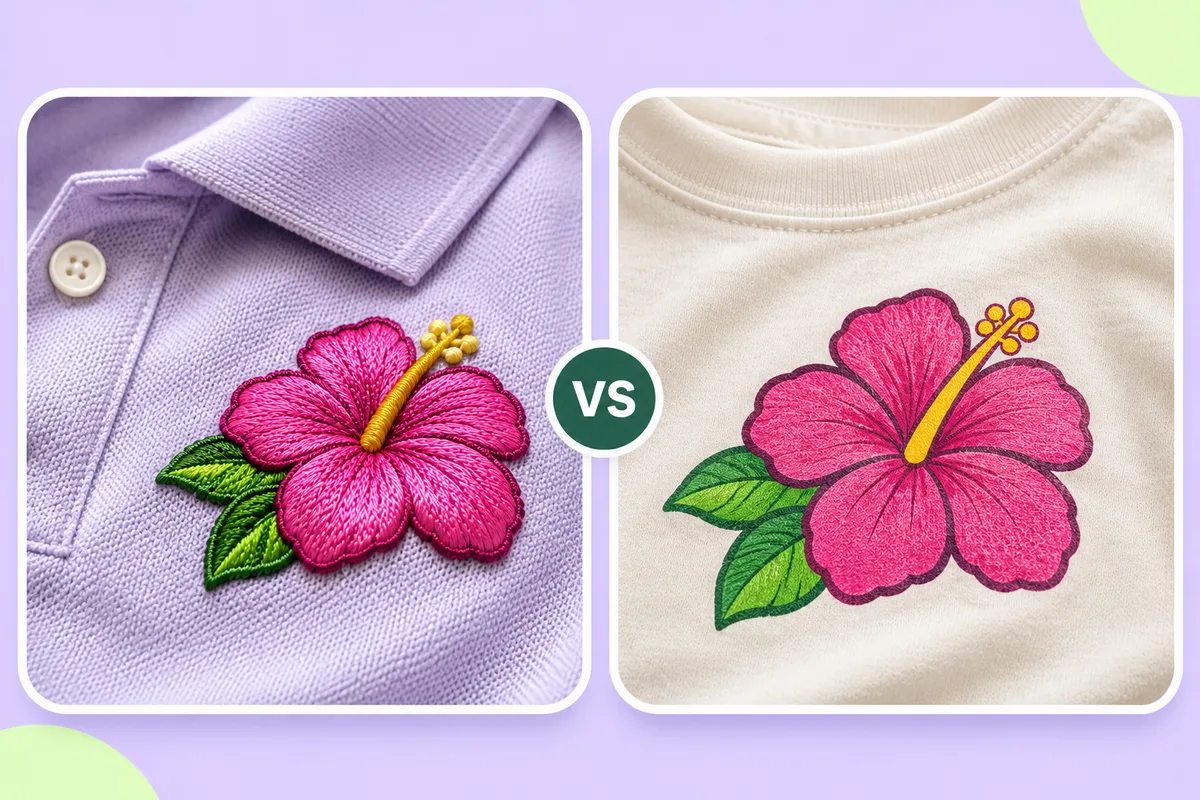
Both methods allow you to add a logo to clothing, but they are suited to different uses. Choosing the right one can save you money and prevent disappointment. Here's a comparison of embroidery and screen printing.
How each works
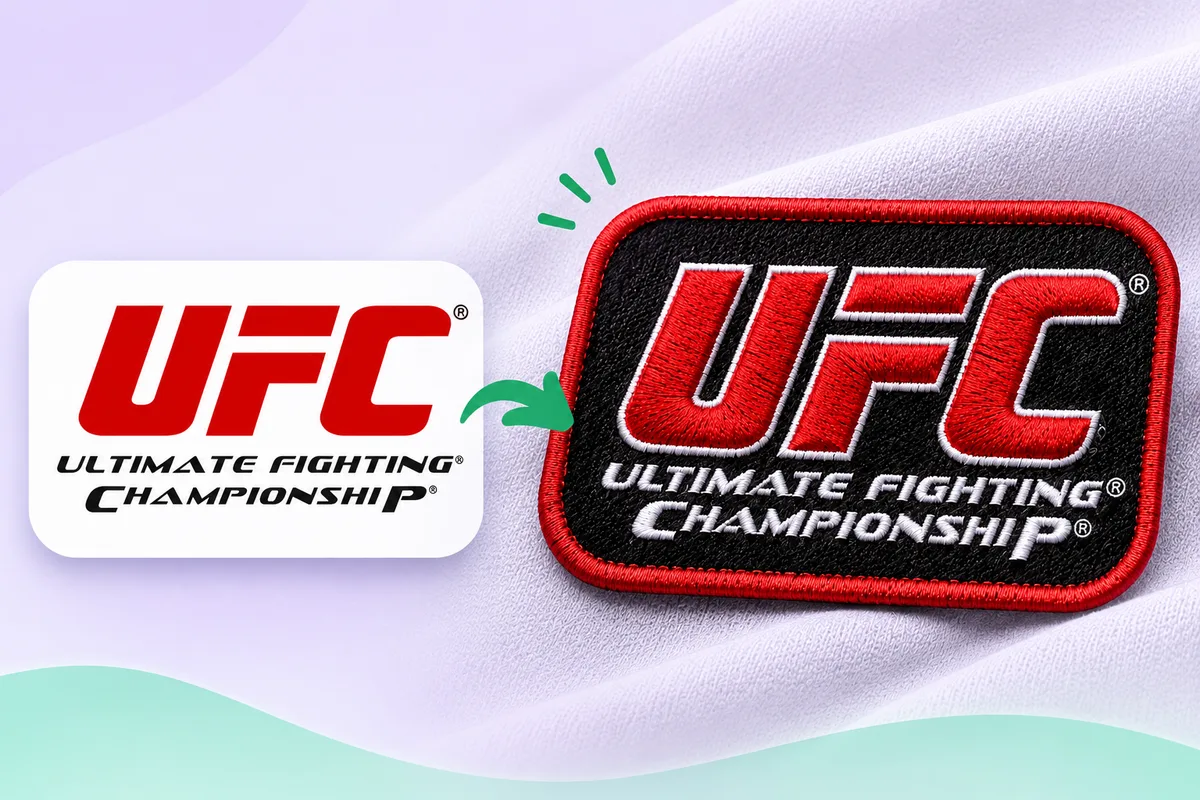
Embroidery involves stitching thread into the fabric to create a design. The logo is raised and textured.
Screen printing, on the other hand, projects ink through a stencil onto the surface. The logo is flat and becomes part of the fabric.
Look and feel
Embroidery offers a high-end finish and added dimension. It catches the light and gives an impression of quality. Screen printing, on the other hand, is smooth and allows for the faithful reproduction of large colored areas.
For a classic and professional style on a polo shirt or cap, embroidery is generally preferred. However, for a large design on a t-shirt, printing is often more suitable.
Detail
This is where they differ most.
- Screen printing handles fine lines, small text and complex artwork better.
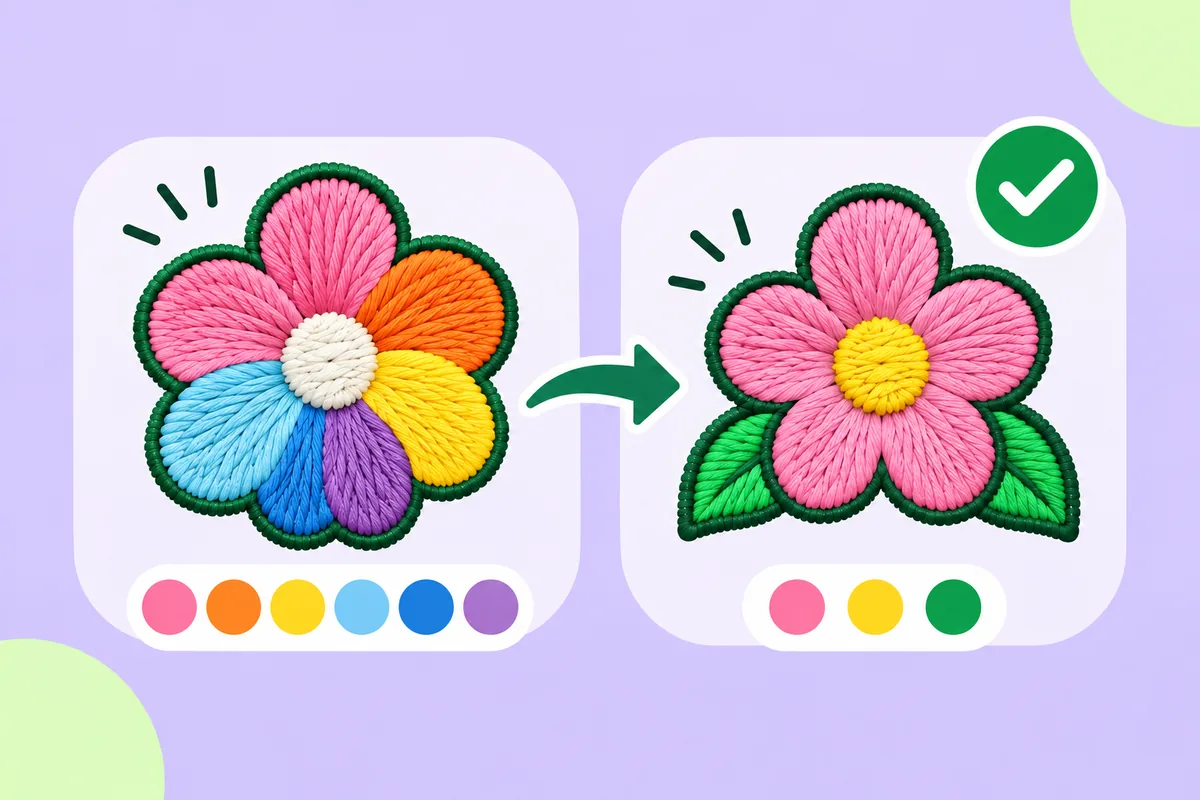
- Embroidery works well with simple shapes, flat colours and bold lettering. See Minimum text size in embroidery and Thin lines and outlines in logos.
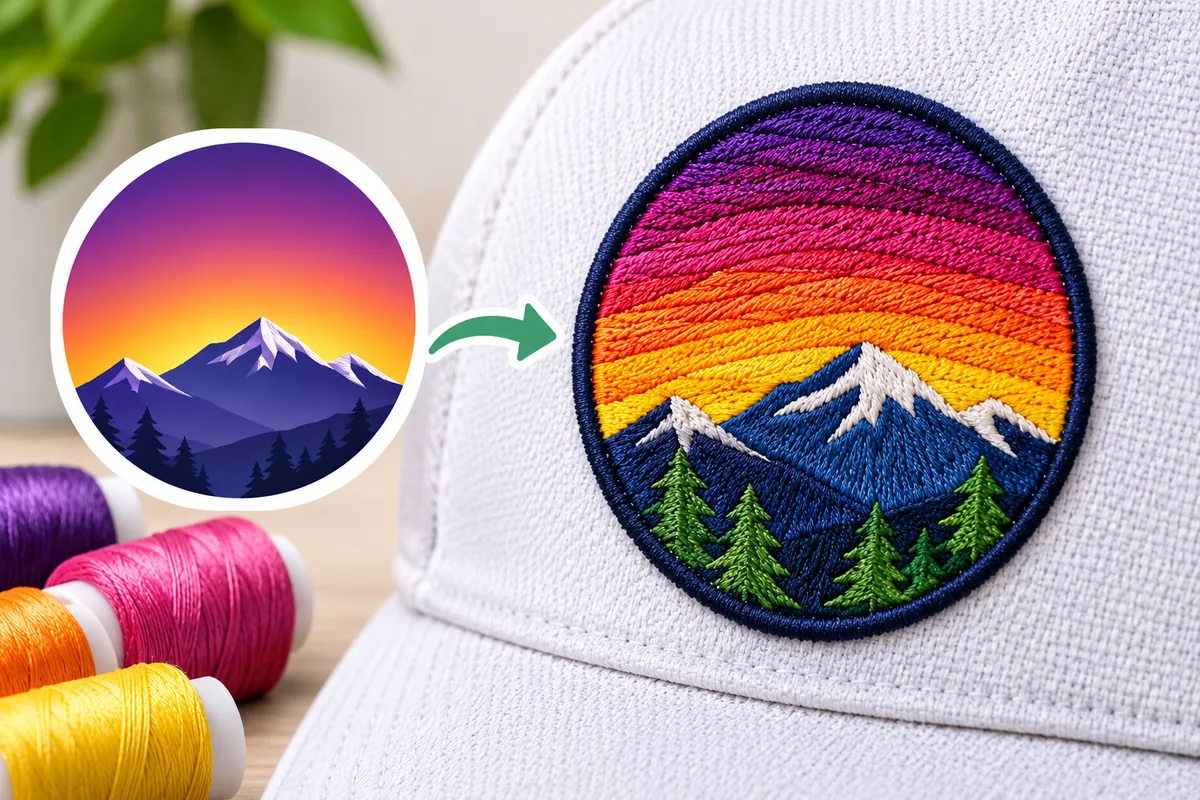
Gradients and photographs are especially tough for embroidery. See Gradients and photos in embroidery.
Durability
Embroidery usually holds up well to repeated washing and wear, and does not crack or peel. Printing can fade or crack over time, depending on the ink and care. Thread choice matters for embroidery. See Polyester vs rayon embroidery thread.
Size
Embroidery suits small and medium logos, such as a chest logo. Very large designs get heavy and stiff. See Large back logos on jackets and hoodies. Printing handles large areas easily.
Fabric
Embroidery works well on thick, firm garments such as polos, jackets, caps and bags. It needs care on thin or stretchy fabrics. See Embroidery on stretchy fabrics. Printing works well on many fabrics, especially smooth ones such as tees.
Colours
Embroidery adds time for each colour change, so fewer colours are better. See Embroidery logo colours: how many?. Printing can handle more colours, though each colour often adds setup.
Setup and cost
Both have setup steps. Embroidery needs a digitized file, as explained in Logo to embroidery file. Printing needs screens made for each colour. Costs vary between suppliers, so ask for quotes for your specific design and quantity.
At a glance
- Choose embroidery for: polos, caps, jackets, uniforms, simple logos and a premium look.
- Choose printing for: tees, large graphics, fine detail and many colours.
- Consider both: a printed back graphic with an embroidered chest logo.
Preparing your logo
If you choose embroidery, simplify the artwork first. Upload it to see how it converts, check the preview and sew a sample. See Prepare a logo for embroidery.
Automatic results can need editing, so always test-sew on a scrap of similar fabric before a real run.
Questions to ask before you choose
A few practical questions usually settle the decision:
- What is the garment? Firm, structured items such as polos, caps and bags suit embroidery. Thin tees often suit printing.
- How detailed is the logo? The more fine detail, the more printing helps.
- How many pieces do you need? Setup work matters more for small runs, so ask each supplier how they handle small quantities.
- How will the item be washed? Heavy, frequent washing favours durable methods and good thread.
- What impression do you want? Embroidery signals quality and permanence, while printing signals bold, graphic style.
A note on mixing methods
It's not necessary to use a single method for everything. Many brands embroider a small logo on the chest and print a large design on the back. This leverages the strengths of each technique: embroidery for texture and finish, printing for size and precision.
Where to start
If embroidery looks right for your logo, upload it to the converter on this site at /upload and review the stitch preview.
Frequently asked questions
Is embroidery better than screen printing?
Neither is better overall. Embroidery suits simple logos and a premium look. Printing suits detail and large designs.
Which lasts longer?
Embroidery generally holds up well to washing, but it depends on thread, fabric and care for both methods.
Can embroidery do small text?
Only to a point. Very small text can fill in, so keep lettering bold and large enough.
Can I use both on one garment?
Yes. Many garments combine an embroidered chest logo with a printed graphic.